What is the correct way to do Kegels?
Squeeze and lift the muscles you would use to hold in urine and gas, hold for 3 to 5 seconds, then relax for 3 to 5 seconds. Repeat 10 times, three times a day, starting with an empty bladder. Keep your stomach, thighs and buttocks relaxed and keep breathing, as MedlinePlus from the U.S. National Library of Medicine advises.
Doing Kegels correctly, at a glance
| Question | Short answer |
|---|---|
| Which muscles? | The ones you would use to stop urine and gas at the same time. |
| How long to hold? | 3 to 5 seconds, then relax for 3 to 5 seconds. |
| How many? | 10 squeezes, three times a day. |
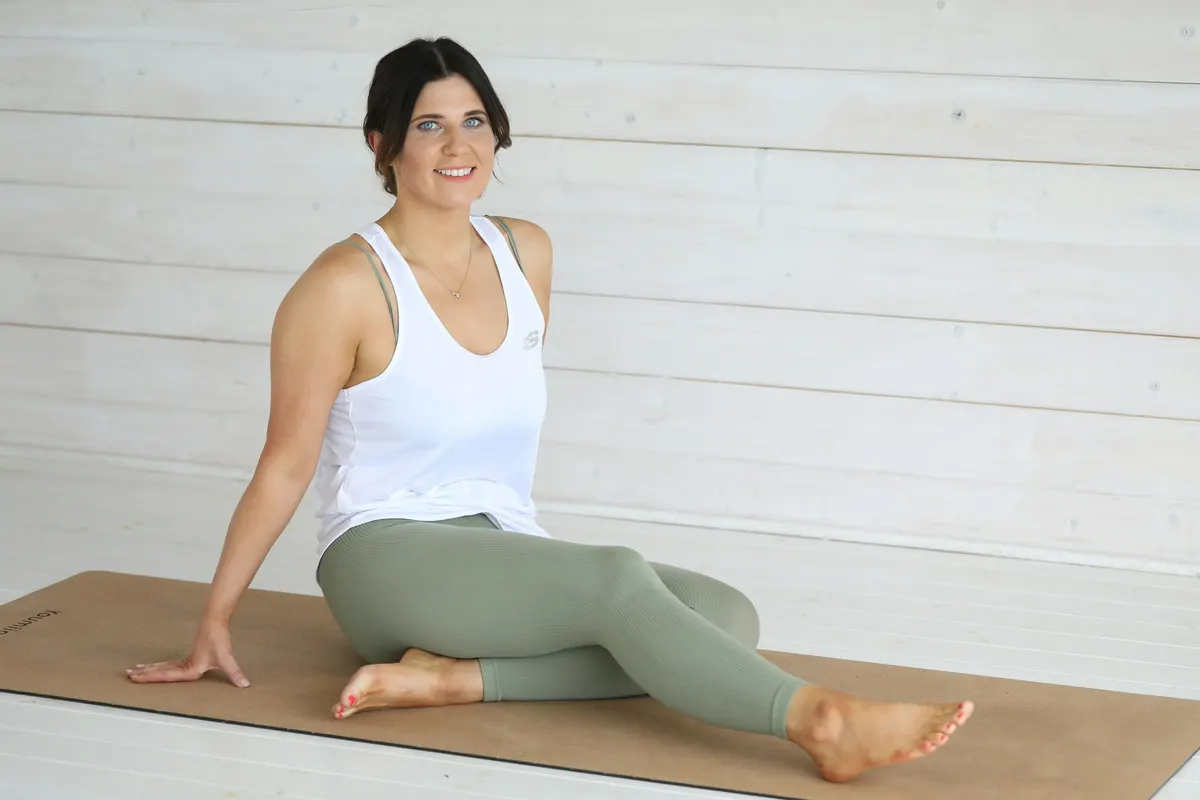
| Which position? | Sitting or lying down to start, then standing too. |
| Most common mistake? | Tightening the stomach, thighs or buttocks, or holding your breath. |
| When do results show? | Often in 3 to 6 weeks. Give it at least three months. |
| Do you need a device? | Usually not. Biofeedback adds little for most women. |
How do you find the right muscles for a Kegel?
Imagine you are trying to stop the flow of urine and hold in gas at the same time. The muscles that tighten are your pelvic floor. MedlinePlus says you should feel the muscles in your vagina, bladder or anus get tight and move up. The National Institute of Diabetes and Digestive and Kidney Diseases (NIDDK) gives the same two cues.
Still not sure? Both sources suggest a simple check: insert a clean finger into your vagina and squeeze as if you were holding in urine. You should feel the muscles tighten around your finger.
You can also stop your urine midstream once, just to learn the feeling. Don't turn that into your exercise, though. MedlinePlus warns against practicing Kegels while urinating more than twice a month, because it can weaken the pelvic floor over time or cause damage to the bladder and kidneys.
How do you do a Kegel step by step?
One correct Kegel is a squeeze, a lift, a hold and a full release. MedlinePlus recommends starting with an empty bladder, sitting or lying down, holding each squeeze for 3 to 5 seconds and relaxing for the same amount of time. Ten repetitions make one set, and three sets a day make a full routine.
- Empty your bladder. Every set starts with an empty bladder.
- Sit or lie down. Pick a position where your body can stay loose.
- Squeeze and lift. Tighten the muscles around your vagina and anus, as if holding in urine and gas, and feel them move up.
- Hold for 3 to 5 seconds. Keep breathing while you count. If 3 seconds is all you can manage at first, start there.
- Relax for 3 to 5 seconds. NIDDK says to release the muscles and fully relax your pelvic floor before the next squeeze.
- Repeat 10 times. That is one set.
- Do three sets a day: morning, afternoon and night.

For the bigger picture, including why these muscles weaken with age, see our complete guide to pelvic floor exercises for women over 50.
How do I know if I am doing a Kegel correctly?
You are doing a Kegel correctly if you feel a squeeze and an upward lift inside, while your stomach, thighs and buttocks stay relaxed and you keep breathing. Nothing should push down or bulge outward. MedlinePlus and NIDDK both describe that inward, upward movement as the sign that the right muscles are working.
- You feel a lift, not a push. The movement goes in and up.
- Your belly stays soft. Rest a hand on your lower stomach. It should not pull in or tense up.
- Your thighs and buttocks don't move. If you rise off the chair, other muscles are doing the work.
- The finger check works. You feel the muscles tighten around a finger placed in your vagina.
Getting this right from written steps alone is harder than it sounds. In a 1991 study, 47 women were given brief verbal instruction and then measured: 49% performed an ideal Kegel, and 25% used a technique that could potentially promote incontinence. So if you have any doubt, ask a professional to check (more on that below).
Is a Kegel just squeezing your pelvic floor?
No. A correct Kegel has three parts: a squeeze, an upward lift and a full release. MedlinePlus describes the muscles getting tight and moving up, and NIDDK tells women to release the muscles and fully relax the pelvic floor after every squeeze. MedlinePlus gives the relaxing phase the same 3 to 5 seconds as the squeeze itself.
Bearing down, the way you would to push on the toilet, is the opposite movement. The 1991 study defined an ideal Kegel as one that closes the urethra more firmly without that bearing-down effort.
What are the most common Kegel mistakes?
The most common mistakes are tightening the wrong muscles, holding your breath, bearing down instead of lifting, and doing too many. NIDDK warns that squeezing the stomach, thighs or other muscles can put more pressure on your bladder, and that overdoing the exercises can lead to straining when you urinate or move your bowels.
- Squeezing your stomach, thighs or buttocks. MedlinePlus says all three should remain relaxed.
- Holding your breath. MedlinePlus says to breathe deeply and relax your body during the exercises.
- Pushing down instead of lifting up. A Kegel moves in and up, never out.
- Skipping the relax phase. Let go completely for 3 to 5 seconds between squeezes.
- Practicing while you pee. Use the stop-the-flow test only to find the muscles.
- Adding more and more repetitions. NIDDK is direct about this: don't increase how many you do.
How many Kegels should you do a day?
About 30 a day: 10 squeezes, three times a day. That is the routine MedlinePlus recommends, spread across morning, afternoon and night. The UK guideline from NICE sets the minimum at 8 contractions three times a day, and NIDDK suggests working up to 10 to 15 repetitions each time you exercise.
Which position is best for Kegels: lying down, sitting or standing?
Start sitting or lying down, then practice standing as well. MedlinePlus tells women to sit or lie down for each set. NIDDK goes a step further and suggests doing the exercises every day in three positions: lying down, sitting and standing. A simple way to follow both is one position per set.
For example: in bed in the morning, in a chair in the afternoon and standing at the kitchen counter in the evening.
Should you do quick Kegels or long holds?
Both have a place. The NHS in the UK says it is important to include short squeezes and long squeezes: squeeze quickly, hold for 2 seconds, relax and repeat 10 times, then aim to gradually increase the hold to 10 seconds. MedlinePlus keeps the routine simpler, with holds of 3 to 5 seconds.
The NHS also suggests tightening your pelvic floor before and during a lift. A similar squeeze timed just before a cough or sneeze is called the Knack, and our main guide explains how to use it.
How long does it take for Kegels to work?
You may notice a change in about 3 to 6 weeks. MedlinePlus says you should have fewer symptoms after 4 to 6 weeks of daily practice, and NIDDK says you may not feel your bladder control improve until after 3 to 6 weeks. NICE recommends a supervised programme of at least three months before judging the results.
The payoff can be real. A 2018 Cochrane review of 31 trials with 1,817 women found that women with stress incontinence who did pelvic floor muscle training were about eight times more likely to report cure than women who had no treatment (56% versus 6%). The reviewers noted that many trials were small and at moderate risk of bias.
If the exercises help, NICE advises continuing the programme. And if night-time bathroom trips are part of the picture, our guide to why you pee so much at night covers the other causes worth checking.
Do you need a Kegel trainer or a biofeedback device?
Usually not. A 2025 Cochrane review of 41 studies with 3,483 women found that adding biofeedback to pelvic floor muscle training made little or no difference to quality of life, and probably little to no difference in cure or improvement. Women using biofeedback had 0.29 fewer leaks a day, a reduction the reviewers said may not be clinically important.
NICE takes a similar line: it advises against biofeedback as a routine part of training, but says it should be considered for women who cannot actively contract their pelvic floor muscles. The side effects reported in the Cochrane review, such as discomfort or vaginal discharge, were linked to using a device inside the vagina or rectum.
In short, a device is optional. It may make the routine more satisfying for some women, but correct technique and a steady routine are what the research supports.
When should you ask a professional to check your Kegel technique?
Ask whenever you are not sure you are squeezing the right muscles, and ideally before you start. NICE recommends a routine internal check to confirm that the pelvic floor is contracting before supervised training begins, and NIDDK advises checking with a health care professional before you begin. MedlinePlus says to contact your provider if you are unsure.
Your doctor, gynecologist or a pelvic floor physical therapist can do this check in a single visit. Our main guide covers when a pelvic floor physical therapist is worth it.
See a doctor if you notice…
- You can't feel any squeeze or lift, even with the finger check
- Pain during or after the exercises
- Straining when you urinate or have a bowel movement
- No improvement after three months of regular practice, or leaks that are getting worse
- A bulge or heaviness in the vagina
- Burning when you pee, fever or blood in your urine
Keep reading
- Pelvic Floor Exercises for Women Over 50: A Complete Guide
- Why Do I Pee So Much at Night? Causes in Women and What Helps
- A women's probiotic for urinary health, reviewed
Frequently asked questions
Should you hold your breath during Kegels?
No. Keep breathing normally the whole time. MedlinePlus advises breathing deeply and relaxing your body during Kegel exercises, and the NHS in the UK says to breathe normally and try not to pull your tummy in. Counting the seconds out loud is an easy way to make sure you keep breathing through each squeeze.
What happens if you do too many Kegels?
Overdoing Kegels can backfire. The National Institute of Diabetes and Digestive and Kidney Diseases (NIDDK) warns that overdoing the exercises can lead to straining when you urinate or move your bowels, and it tells women not to increase how many they do. Stay with about 10 squeezes, three times a day.
Why can't I feel anything when I do a Kegel?
It is common not to feel much at first. In a 1991 study of 47 women given brief verbal instruction, only 49% performed an ideal Kegel. The UK guideline NICE says electrical stimulation or biofeedback should be considered for women who cannot actively contract their pelvic floor muscles. Ask a doctor or pelvic floor physical therapist to check.
What is the best time of day to do Kegels?
There is no single best time, as long as you do them regularly. MedlinePlus recommends three sets a day, in the morning, afternoon and night, each one starting with an empty bladder. Linking every set to something you already do daily, like a meal, makes the routine much easier to remember.
Do Kegels help with urgency leaks, or only with leaks when you cough?
The strongest evidence is for stress leaks, the kind that happen when you cough, sneeze or laugh. In a 2018 Cochrane review, 56% of women with stress incontinence who trained reported cure, versus 6% without training. For urgency leaks, the UK guideline NICE recommends bladder training for at least 6 weeks as the first treatment.
Sources
- MedlinePlus, U.S. National Library of Medicine. Kegel exercises: self-care. Reviewed January 1, 2025. Checked October 3, 2026.
- National Institute of Diabetes and Digestive and Kidney Diseases (NIDDK). Kegel Exercises. Last reviewed November 2021. Checked October 3, 2026.
- NHS (UK). Urinary incontinence: 10 ways to stop leaks. Page last reviewed June 15, 2023. Checked October 3, 2026.
- National Institute for Health and Care Excellence (NICE). Urinary incontinence and pelvic organ prolapse in women: management. Guideline NG123, recommendations 1.3.4, 1.4.4 to 1.4.7, 1.4.10 and 1.4.11. Last updated June 24, 2019. Checked October 3, 2026.
- Bump RC, Hurt WG, Fantl JA, Wyman JF. Assessment of Kegel pelvic muscle exercise performance after brief verbal instruction. American Journal of Obstetrics and Gynecology. 1991;165(2):322-327. doi:10.1016/0002-9378(91)90085-6. PMID 1872333.
- Dumoulin C, Cacciari LP, Hay-Smith EJC. Pelvic floor muscle training versus no treatment, or inactive control treatments, for urinary incontinence in women. Cochrane Database of Systematic Reviews. 2018;10:CD005654. doi:10.1002/14651858.CD005654.pub4. PMID 30288727.
- Fernandes ACN, Jorge CH, Weatherall M, Ribeiro IV, Wallace SA, Hay-Smith EJC. Pelvic floor muscle training with feedback or biofeedback for urinary incontinence in women. Cochrane Database of Systematic Reviews. 2025;3:CD009252. doi:10.1002/14651858.CD009252.pub2. PMID 40066950.

Claire Donovan
I'm Claire Donovan, a 47-year-old woman who became much more interested in women's health after experiencing some of my own challenges with pelvic and urinary health.
I'm not a doctor or healthcare professional. I'm simply someone who has spent years researching these subjects, comparing information, reading scientific research, and looking for reliable answers from trusted and official sources.
My goal is simple: to make reliable information easier to understand and help women feel more informed about their own health. More about me.
Last updated: . Every figure was checked against the sources listed above on this date.
How this guide was made: it is based on patient guidance from three public health bodies (MedlinePlus, NIDDK and the NHS), a national clinical guideline, two Cochrane reviews and one clinical study, explained in plain language.
Medical note: this guide is general information and isn't medical advice. Medical disclaimer.