
Why do I get a UTI every time after sex now?
The same sex that never caused a problem before can trigger a UTI almost every time after menopause, because two things stack: intercourse moves bacteria toward the urethra, and lower estrogen leaves you with less natural defense against it. It isn’t about hygiene, a new partner, or doing anything wrong — it’s a hormone-driven change in the tissue itself.
UTIs after sex in menopause, at a glance
| Question | Short answer |
|---|---|
| Why does this happen more after menopause? | Lower estrogen thins tissue and raises vaginal pH, reducing your natural defense. |
| How many UTIs a year is “recurrent”? | 2+ in 6 months, or 3+ in 12 months. |
| Does peeing after sex really help? | Yes — it’s one of the few habits doctors consistently recommend. |
| Does vaginal estrogen help? | Yes, significantly. Oral estrogen does not. |
| Does D-mannose work? | The newest evidence says no, including in postmenopausal women. |
| Could it be something else? | GSM can mimic UTI symptoms without infection — worth ruling out. |
| When is it an emergency? | Fever, back/flank pain, or blood in urine — call a doctor right away. |
Why does sex trigger a UTI more often after menopause?
It’s two ordinary things combining into one bigger problem. Intercourse can move bacteria from around the vagina toward the urethral opening in women at any age — that part hasn’t changed. What’s different after menopause is your body’s ability to fight that bacteria off before it takes hold.
As estrogen drops, the vaginal and urethral tissue gets thinner and drier, and vaginal pH rises (becomes less acidic). A 2021 meta-analysis measured this directly in postmenopausal women: vaginal estrogen treatment lowered vaginal pH by an average of 1.81 points, confirming how much higher that pH runs without it. A higher, less acidic environment is easier for bacteria to survive in — so the same act that was harmless at 30 now has a much easier path to becoming an infection.

How many UTIs a year counts as "recurrent"?
Two or more UTIs in six months, or three or more in twelve months. This definition is used across recurrent UTI research, including a major Cochrane review and a 2024 clinical trial that enrolled women by this exact criterion. Below that threshold, an occasional post-sex UTI is common and usually just needs the short antibiotic course your doctor already prescribes.
If you’re at or above that threshold, it’s worth a specific conversation with your doctor about prevention — not just treating each infection as it comes. That conversation is also the moment to bring up pelvic floor health, since weaker pelvic support is part of the same midlife picture for many women, even though it isn’t the direct cause of the infections.
What actually helps prevent UTIs after sex in menopause?
Peeing within about 30 minutes after sex, and asking your doctor about vaginal estrogen, are the two steps with the most support. Several other habits are reasonable but less proven, and one popular supplement has recently been shown not to work for this.
| Option | What the evidence shows |
|---|---|
| Peeing shortly after sex | Widely recommended by U.S. health authorities to flush bacteria before it settles; simple and no downside. |
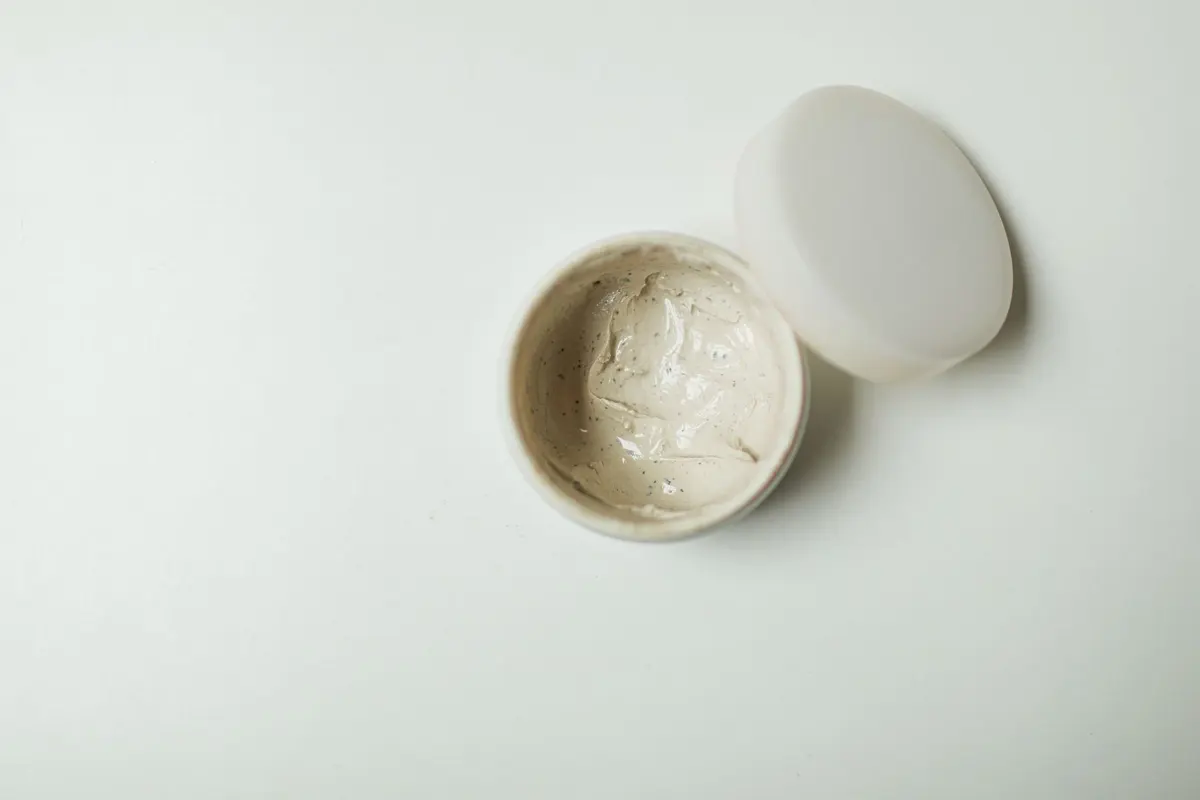
| Vaginal estrogen (cream, ring or tablet) | Effective. A 2021 meta-analysis found it significantly reduced recurrent UTIs in postmenopausal women; oral estrogen did not help. |
| D-mannose | If you’ve tried this one and it didn’t seem to help, that’s not you doing something wrong: the largest placebo-controlled trial to date (598 women, 2024) and a 2025 meta-analysis — including a postmenopausal subgroup — both found no real benefit over placebo. |
| Daily oral probiotics for urinary/vaginal flora | An emerging, lower-cost option some women try alongside the steps above; look for one aimed at urinary and vaginal flora specifically, like the one we cover in our UroVita Care Flora Guard review. |
| Staying hydrated through the day | Sensible general advice; not something that has been tested specifically for post-sex UTIs. |
Vaginal estrogen needs a prescription and isn’t automatically right for every woman — see the safety section below before asking your doctor about it.
What mimics a UTI but isn’t one?
Here’s some reassuring news: a negative culture may mean you don’t actually have repeat infections at all. Genitourinary syndrome of menopause (GSM) can cause burning, urgency and discomfort that feel exactly like a UTI, even without bacteria present. It comes from the same drop in estrogen described above — thinner, drier tissue — not from an infection.
That’s good news in one sense: it means antibiotics aren’t the answer, and you’re not stuck in an endless cycle of "infections" that keep coming back for no reason. If you keep having UTI-like symptoms but your cultures are clear, bring that up with your doctor as a possible GSM pattern — the two can also happen together, and treating GSM directly (often with the same vaginal estrogen covered below) can make a real difference.
Is vaginal estrogen safe to use for this?
The good news is that for most postmenopausal women, vaginal estrogen is both well tolerated and the single most effective prevention option covered here. It’s a prescription, so a doctor is already involved in the decision, and most reported side effects are mild — some vaginal irritation, spotting, breast tenderness or discharge.
One group needs a more careful conversation first: if you have a personal history of breast cancer, the official product label for vaginal estrogen lists that as a condition in which it shouldn’t be used. That’s not the end of the road — it just means this is a decision to make together with your oncologist and your gynecologist, who can weigh your specific history, rather than something to start on your own.
When is a UTI after sex an emergency?
Almost all post-sex UTIs stay exactly where they start — in the bladder — and clear up quickly with the standard short antibiotic course. It’s uncommon for one to spread further, but it’s worth knowing the signs so you can act quickly on the rare occasion it happens.
Call a doctor right away if you notice…
- Fever or chills
- Pain in your back, side or flank
- Nausea or vomiting
- Cloudy, dark, bloody or foul-smelling urine
These can be signs the infection has spread to the kidneys (pyelonephritis). The U.S. National Institute of Diabetes and Digestive and Kidney Diseases notes that most kidney infections start as a bladder infection that wasn’t treated or didn’t fully clear — which is exactly why treating each UTI promptly, and asking about prevention once they start repeating, is worth doing rather than just waiting them out.
What’s a simple after-sex routine to lower your risk?
A short, consistent routine after sex is more useful than any single "trick." None of these steps replace medical care if you’re already having frequent infections — think of them as lowering the odds of the next one, step by step, rather than a guaranteed fix.
- Urinate within about 30 minutes after sex, even if you don’t feel a strong urge yet.
- Wash with water, not harsh soap, to avoid extra irritation to already-thinner tissue.
- Stay hydrated through the day, not just right after sex.
- Track how many UTIs you get and when, so you and your doctor can see if you’re at the "recurrent" threshold.
- Ask your doctor about vaginal estrogen if you’re having two or more a year and don’t have a contraindication.
Strong pelvic floor muscles won’t prevent a UTI directly, but they support the same urogenital area, and many women dealing with this also notice bladder urgency or leaks. Our pelvic floor exercises for women over 50 guide is a reasonable next stop if that sounds familiar, alongside our D-mannose vs. cranberry for UTI comparison if you’re weighing supplement options. If you also find yourself running to the bathroom "just in case" throughout the day, our guide on whether that habit is bad for your bladder covers that separate (but related) question.
Keep reading
- Pelvic Floor Exercises for Women Over 50: A Complete Guide
- D-Mannose vs. Cranberry for UTI: Which One Actually Works?
- Is Peeing Just in Case Bad for Your Bladder?
- Best Urinary Tract Supplements for Women: What the Research Shows
- UroVita Care Flora Guard Review
Frequently asked questions
Why does my wife keep getting a UTI after sex?
It is usually not about hygiene or her partner. After menopause, lower estrogen thins the urethral and vaginal tissue and raises vaginal pH, so bacteria that sex pushes toward the urethra survive more easily and cause infection more often than before menopause.
How many UTIs a year is considered recurrent?
Two or more in six months, or three or more in twelve months, according to the Cochrane definition used in major recurrent UTI research. Below that, occasional post-sex UTIs are common and usually handled case by case with your doctor.
What mimics a UTI but isn’t a UTI?
Genitourinary syndrome of menopause (GSM) can cause burning, urgency and discomfort that feel exactly like a UTI, even when a urine culture comes back negative for bacteria. It comes from thinning, drier tissue after menopause rather than from infection, so antibiotics typically won’t help it and a different approach is needed.
Does vaginal estrogen help prevent UTIs after sex?
Yes, when it’s vaginal rather than oral. A 2021 meta-analysis of postmenopausal women found vaginal estrogen cut recurrent UTIs significantly, while oral estrogen showed no real benefit for this. It’s a prescription treatment, well tolerated by most women, though it isn’t the right choice for everyone.
Does D-mannose actually prevent UTIs after sex?
The newest and largest evidence says no, even if you’ve heard otherwise. A 2024 placebo-controlled trial of 598 women and a 2025 meta-analysis, including a postmenopausal subgroup, both found D-mannose didn’t outperform placebo for preventing recurrent UTIs, so it’s not a step worth relying on alone.
Sources
- Chen YY, Su TH, Lau HH. Estrogen for the prevention of recurrent urinary tract infections in postmenopausal women: a meta-analysis of randomized controlled trials. International Urogynecology Journal. 2021;32(1):17-25. doi:10.1007/s00192-020-04397-z. PMID 32564121.
- Perrotta C, Aznar M, Mejia R, Albert X, Ng CW. Oestrogens for preventing recurrent urinary tract infection in postmenopausal women. Cochrane Database of Systematic Reviews. 2008;(2):CD005131. doi:10.1002/14651858.CD005131.pub2. PMID 18425910.
- Hayward G, Mort S, Van Den Bruel A, et al. D-mannose for Prevention of Recurrent Urinary Tract Infection Among Women: A Randomized Clinical Trial. JAMA Internal Medicine. 2024;184(6):619-628. doi:10.1001/jamainternmed.2024.0264. PMID 38587819.
- D-mannose for recurrent urinary tract infection: a systematic review and meta-analysis. Jornal Brasileiro de Nefrologia. 2025. PMID 41004704.
- Rahn DD, Carberry C, Sanses TV, et al. Vaginal estrogen for genitourinary syndrome of menopause: a systematic review. Obstetrics & Gynecology. 2014;124(6):1147-1156. doi:10.1097/AOG.0000000000000526. PMID 25415166.
- American Urological Association (AUA), Canadian Urological Association (CUA), Society of Urodynamics, Female Pelvic Medicine & Urogenital Reconstruction (SUFU). Recurrent Uncomplicated Urinary Tract Infections in Women: AUA/CUA/SUFU Guideline. Published 2019, reviewed and validity confirmed 2022, amended 2025.
- National Institute of Diabetes and Digestive and Kidney Diseases (NIDDK). Symptoms & Causes of Kidney Infection (Pyelonephritis). U.S. National Institutes of Health; last reviewed October 2024.
- DailyMed, U.S. National Library of Medicine. ESTRACE (estradiol vaginal cream) label. Allergan, Inc.; label updated May 29, 2024.
- Portman DJ, Gass ML; Vulvovaginal Atrophy Terminology Consensus Conference Panel. Genitourinary syndrome of menopause: new terminology for vulvovaginal atrophy. Menopause. 2014;21(10):1063-1068. doi:10.1097/GME.0000000000000329. PMID 25160739.

Claire Donovan
I'm Claire Donovan, a 47-year-old woman who became much more interested in women's health after experiencing some of my own challenges with pelvic and urinary health.
I'm not a doctor or healthcare professional. I'm simply someone who has spent years researching these subjects, comparing information, reading scientific research, and looking for reliable answers from trusted and official sources.
My goal is simple: to make reliable information easier to understand and help women feel more informed about their own health. More about me.
Last updated: . Every figure was checked against the sources listed above on this date.
How this guide was made: it is based on a 2021 meta-analysis and a 2008 Cochrane review on vaginal estrogen, the largest placebo-controlled D-mannose trial to date (2024) and a 2025 meta-analysis, the AUA/CUA/SUFU recurrent UTI guideline, NIH (NIDDK) patient guidance on kidney infection, and the official FDA label for vaginal estradiol cream, explained in plain language.
Medical note: this guide is general information and isn't medical advice. Medical disclaimer.